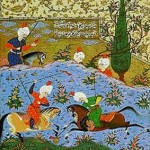
Mir Alī Shīr Navā’ī also known as Nizām-al-Din ʿAlī-Shīr Herawī (1441 – 1501) was a Central Asian Turkic politician, mystic, linguist, painter, and poet. He was the greatest representative of Chagatai language. He significantly contributed to the development of the Uzbek language and is widely considered to be the founder of Uzbek literature. He was generally known by his pen name Navā’ī.
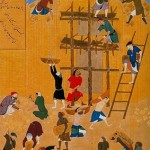
Mīr Alī Shīr served as a public administrator and adviser to his sultan, Husayn Bayqarah. He was also a builder who is reported to have founded, restored, or endowed many mosques, madrasas, libraries, hospitals, caravanserais and other institutions in Khorasan. Among his most famous constructions were the mausoleum of the 13th-century Persian mystic poet, Farid al-Din Attar, in Nishapur.
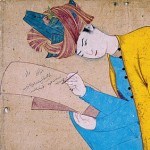
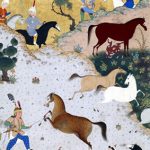
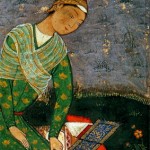
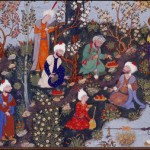
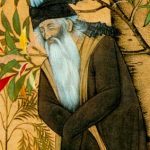
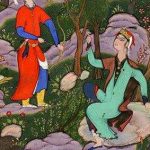
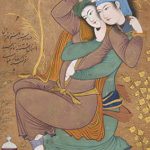
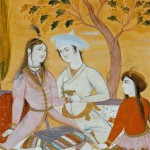
Moreover, he was a promoter and patron of scholarship and arts and letters, a prolific writer, a musician, a composer, a calligrapher, a painter and sculptor. He was responsible for a number of illustrated books published at the time in which the earliest existing examples of the newly emerging style of Persian miniature can be found – including some attributed to him although we do not know which ones are actually done by him – probably some which appear in his own Divan.